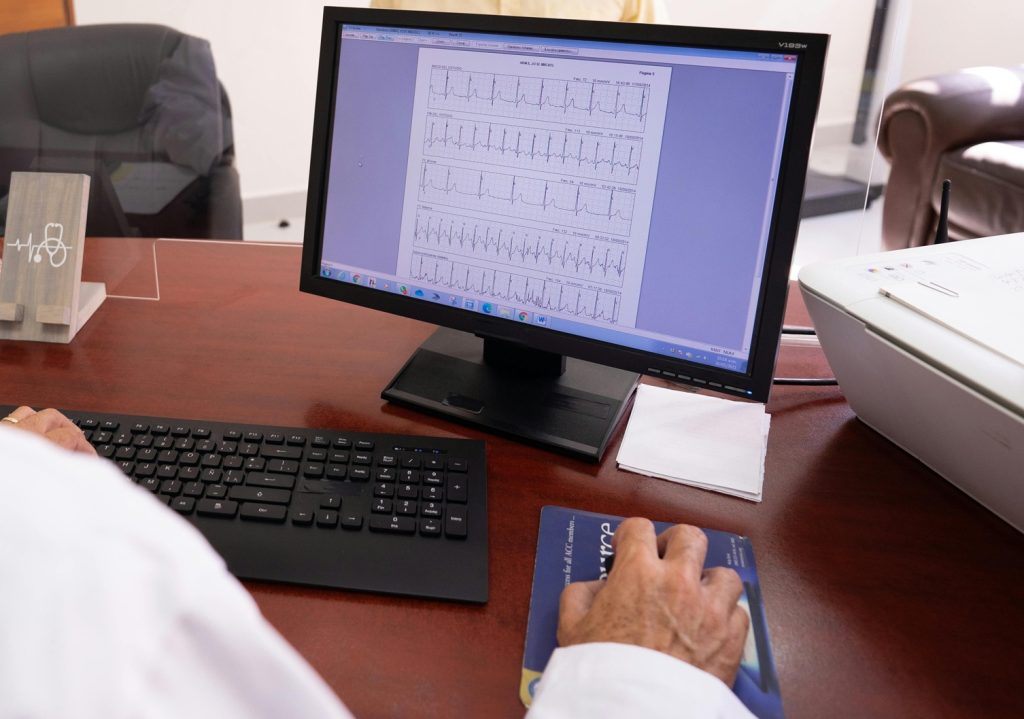
A recent real-world clinical study has confirmed that ECG data recorded with the Polar H10 chest-belt sensor can be reliably interpreted by physicians for the evaluation of baseline cardiac rhythm, atrial fibrillation, and premature contractions in patients with a broad spectrum of heart conditions.
The study, conducted in the Czech Republic, demonstrated that long-term ECG recordings obtained from the Polar H10 are suitable for routine clinical practice, with only a minimal proportion of recordings affected by artifacts that complicate interpretation. ECG data were successfully analyzed in hospitalized patients, outpatients with cardiovascular disease, and healthy individuals.
Results showed that the vast majority of Polar H10 ECG signals were interpretable, allowing accurate assessment of baseline rhythm, atrial fibrillation detection, and identification of premature atrial and ventricular contractions. However, the authors recommend caution when interpreting ECG recordings in patients with paced rhythm or atrial flutter, where signal interpretation may be more challenging.
Overall, the findings support the use of the Polar H10 as a practical tool for continuous ECG monitoring, rhythm evaluation, and atrial fibrillation screening in both clinical and real-world settings. This study further strengthens previous research validating Polar H10 for heart rate measurement and short-term atrial fibrillation detection compared with standard ECG Holter monitoring.
Reference
T. Skála et al. Feasibility of evaluation of Polar H10 chest-belt ECG in patients with a broad range of heart conditions. Cor et Vasa, 2022, 64(4): 411–42Preview Changes (opens in a new tab)2. DOI: 10.33678/cor.2022.083
Department of Internal Medicine I – Cardiology, Palacky University and University Hospital Olomouc, Olomouc